

Can a Rental Property in New Port Richey Still Cash Flow in 2026?
Can a Rental Property in New Port Richey Still Cash Flow in 2026?

Short answer: Yes. Long answer: Yes, but the days of buying anything with a roof and watching the cash rain down? Those days packed up and moved to Georgia and Tennessee a few years ago.
Hi, I'm Gena McCulloch, a born and raised Florida girl with ten years of real estate experience across Tampa Bay and New Port Richey. I'm also a personal trainer in my other life, which means I know exactly how to spot when somebody's doing the move wrong before they hurt themselves. The same goes for buying rentals.
So pull up a chair. Let's talk about what's actually working in New Port Richey in 2026, what's quietly killing rookie investors, and how to make sure you end up in the first group.
Why Smart Investors Are Still Circling New Port Richey
Tampa got expensive. Sarasota got ridiculous. St. Pete? Don't even start me. So investors looked north, squinted at the map, and went, wait, what's New Port Richey?
Here's what they found.
Prices that don't require a kidney sale. The median home price hovers around $309,000 in early 2026. That's pocket change compared to South Tampa, and it leaves room for actual returns instead of "appreciation hopes and dreams."
Rents that pull their weight. A single-family home in NPR rents for around $2,182 a month on average. Two-bedroom units sit near $1,634. The numbers aren't sexy, but they're consistent, and consistent is what pays the mortgage.
Renters who actually stay. This isn't a college town or a snowbird flip zone. New Port Richey renters are working families, retirees, healthcare workers, and folks who put down roots. They renew their leases. They mow the grass. They are, in a word, gold.
But, and there's always a but, the math has gotten spicier. So let's actually run it.
The 2026 Cash Flow Math
Picture a typical 3 bedroom, 2 bath in a solid non flood pocket of New Port Richey. Think Seven Springs or Trinity. Purchase price, $290,000. Conventional 25% down loan. Here's how the numbers shake out.
What's coming in:
- Rent at $2,150 per month, $25,800 per year
- Minus 5% vacancy, $24,510
What's going out:
- Mortgage (30 year fixed, around 6.75%), $16,920 per year
- Property taxes (non homestead, around 1.4%), $4,060
- Insurance (no flood, newer roof), $3,800
- Property management (10%), $2,580
- Maintenance reserve (8%), $2,065
The verdict:
- Income, $24,510
- Expenses, $29,425
- Cash flow, roughly NEGATIVE $400 per month
I know. That hurt. Take a sip of coffee.
But here's the plot twist. That's the math at full sticker price with conventional financing. Most of the investors crushing it in NPR right now aren't doing either of those things, which brings us to the good part.
The 5 Plays That Actually Work in New Port Richey Right Now
1. Buy It Right or Don't Buy It at All
Half the inventory on the Pasco MLS is sitting 90-plus days. Sellers are tired. Some of them are exhausted. Post Helene, post Milton, with insurance scaring off the regular buyer pool, motivated sellers are everywhere if you know how to spot them and how to negotiate.
That same $290K listing? Negotiated to $255K, the deal flips from negative cash flow to positive overnight. This is the single biggest lever in the 2026 market. A sharp negotiator on your side isn't a luxury anymore; it's the entire ballgame. (Hi. That's me. Just saying.)
2. Use the Right Loan, Not Just Any Loan
Here's a secret most investors don't realize until they've already signed bad paperwork. Conventional loans are not the only option for rental properties in 2026, and in many cases, they aren't even the best option. There's a whole world of investor-specific financing built for exactly this kind of deal, and the right loan can flip a marginal property into a cash-flowing winner.
The financing options worth knowing about:
DSCR loans (Debt Service Coverage Ratio). These are underwritten on the property's rental income, not your personal W2 or tax returns. If the rent covers the mortgage payment by a certain ratio (typically 1.0 to 1.25), you qualify. Perfect for self-employed investors, business owners, and anyone with complex income.
- Bank statement loans. Twelve to twenty-four months of bank statements instead of tax returns. Designed for self-employed buyers who write off too much to qualify conventionally.
- Portfolio loans. Held in-house by smaller banks and credit unions. More flexible underwriting, often better rates for repeat investors building a portfolio.
- Fix and flip or bridge loans. Short-term financing for properties needing renovation before refinancing into long-term hold loans.
- Hard money. Higher interest, but fast closings and minimal red tape. Useful for snagging distressed deals before the next investor does.
- Seller financing. Quietly making a comeback in 2026. With sellers tired of sitting on inventory, some are willing to carry the note themselves at flexible terms.
I have a network of investor-friendly lenders, mortgage brokers, and private money contacts I personally trust here in the Tampa Bay area. These are people I've watched close deals quickly, communicate honestly, and not pull rate and term tricks at the closing table. If you're thinking about buying in NPR or anywhere in Tampa Bay and you want to be connected with the right financing partner, I'll make the introduction. No fee, no fluff, just a warm handoff to someone who'll treat you well.
3. Bring More Cash, Win More Deals
The negative cash flow above assumes you put 25% down. Drop 40% or pay cash, and suddenly you're cash flowing comfortably. A lot of investors are pivoting to a yield on cash play, accepting a 6 to 8% return on equity in exchange for a property that pays them every month, builds equity, and appreciates with Florida's growth.
It's not as flashy as 80% leverage. But it's also not as flashy as foreclosure. Pick your flashy.
4. Avoid the Flood Zone (Or Insure It Like)
If a property sits in a Special Flood Hazard Area, flood insurance can pile $2,000 to $8,000 a year onto your operating costs. That's not negotiable. That's not "we'll figure it out." That's a hard line item that has eaten more rookie investors than I can count.
Buying outside the flood zone, or buying smart inside it (elevated construction, post FIRM build, properly engineered), is the difference between a rental and an aquatic regret. Pull the flood map before you write the offer. Every. Single. Time.
5. Hunt for Houses That Insure Cheap
Florida insurers in 2026 are picky. Older roofs, ancient electrical, original 1985 plumbing? Those properties get either denied coverage or hit with premiums that vaporize your cash flow.
A property with a 5-year-old roof, updated electrical, and PEX plumbing might insure for $2,800. The identical house with original systems? $4,800. That $2,000 delta is pure cash flow walking right into your pocket. Most investors don't think about insurance until closing day. Be the investor who shops it during the offer phase. (And yes, I have insurance contacts I'll connect you with too.)
6. Get Creative, Mid-Term Rentals Are Quietly Crushing
Some smart NPR investors are skipping the standard 12-month lease and renting to traveling nurses, snowbirds on 3 to 6 month stays, or insurance claim-displaced families needing a place while they rebuild. Rents in this strategy can run 30 to 50% above standard leases. Furnished, monthly, less hassle than a true short-term rental, no city permits needed (yet).
It's not for every property. But for the right one? It's printing money quietly while everyone else fights over $2,150 per month tenants.
The Insurance Question Everyone Whispers About
Let's address the elephant. Or hurricane. Or whatever metaphor you prefer.
Florida insurance is the most expensive in the country. The average premium is about $7,562 a year. That's the bad news.
Now the good news. For the first time in years, the market is actually easing. Citizens Insurance announced an average 8.7% rate cut for 2026 renewals. Florida Peninsula, Security First, and Universal followed with their own cuts of 5 to 8%. The free fall is over. The recovery is starting.
For a typical NPR landlord in a non-flood zone with a newer roof, you're looking at $2,500 to $4,500 per year for landlord coverage. In a flood zone, add another $2,000 to $5,000 plus for flood. Wind mitigation credits, hurricane windows, a hip roof, and proper roof-to-wall connections can knock thousands off your premium. Most investors leave that money on the table because nobody told them about it.
I will tell you about it. Loudly. Because it's your money.
The Post Helene Truth Bomb
Hurricane Helene smacked New Port Richey in September 2024. Storm surge tore through Gulf Harbors, Sea Forest, and the low-lying coast. Hurricane Milton followed weeks later with biblical inland flooding along the Anclote River. It was, technically speaking, a lot.
So what does that mean for a 2026 investor?
The opportunity, a bunch of properties have been beautifully rebuilt, elevated, or sold off at deep discounts by owners who've simply had enough. There are real deals in the post-storm inventory.
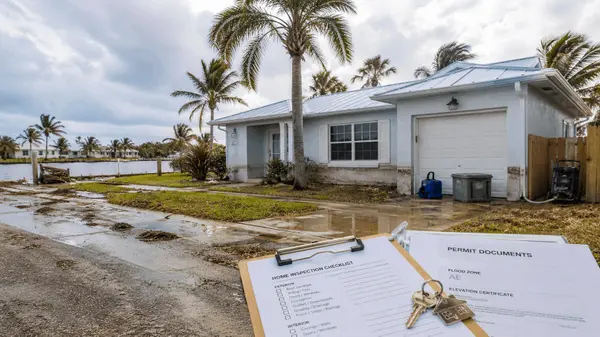
The trap, Pasco County is enforcing the Substantial Damage Rule, which says if your home in a flood zone took damage exceeding 49% of its pre-storm value, it has to be rebuilt to current flood standards. Which usually means elevated. Which usually means expensive.
Buy the wrong property, and you could inherit an unresolved Substantial Damage Determination, meaning the permits aren't closed, you can't refinance, you can't insure cleanly, and the county might come knocking with a "kindly elevate this house at your own expense" letter. Always pull the permit history and any Substantial Damage Determination before you close.
This is exactly the kind of thing you cannot do from a laptop in Cleveland. A local agent who has driven these streets, before AND after the storms, will save you from a six-figure mistake. (Again, hi.)
The Best New Port Richey Areas for Rentals in 2026
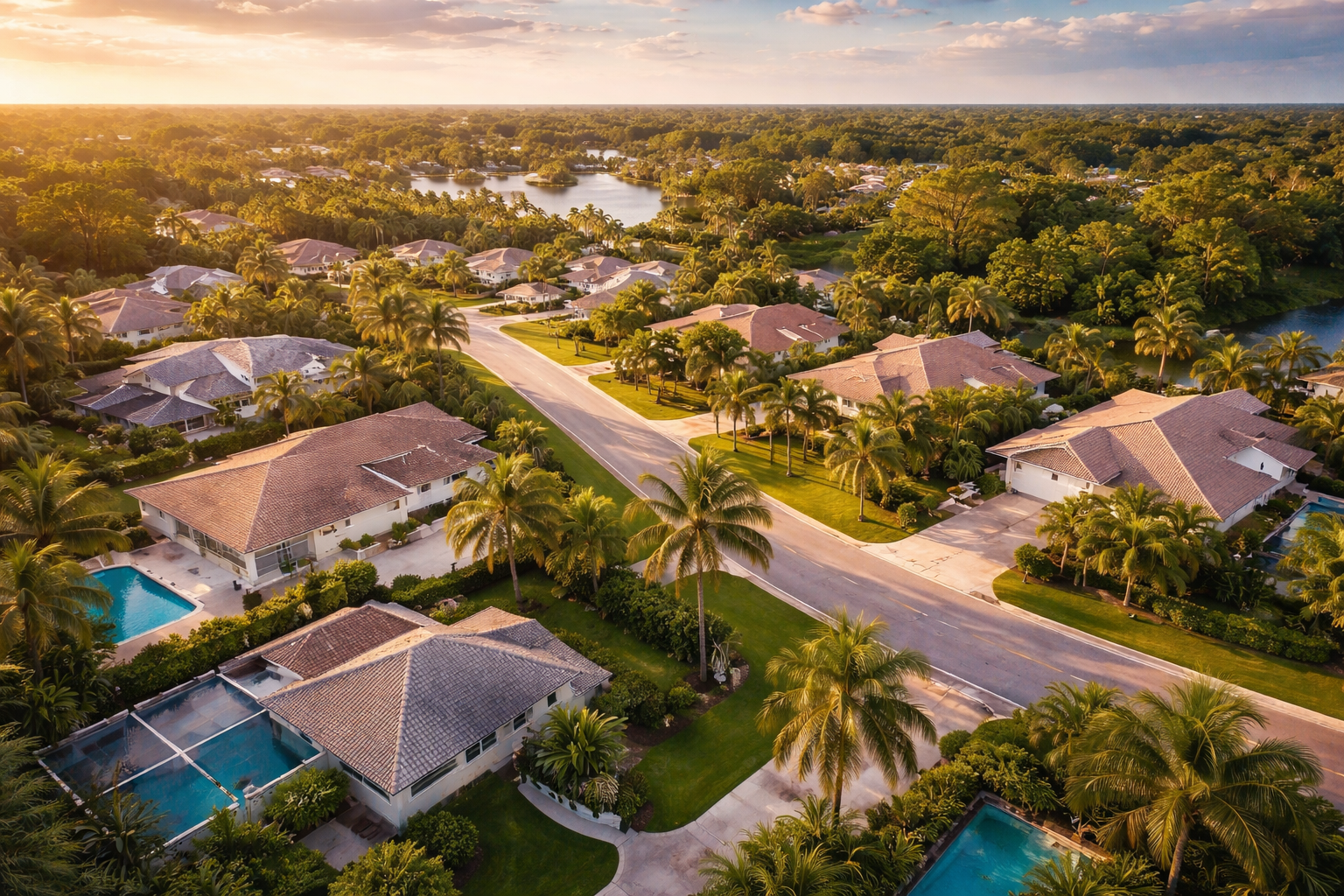
Not every street in NPR is created equal. Here's the lay of the land from someone who's actually lived it.
Where I'd put my money:
- Seven Springs, well-kept, deed-restricted, attracts the renters you actually want
- Trinity, newer construction, family renters, schools that don't make parents flinch
- San Clementine Village, a 55-plus community, has retirees who pay on time and don't throw parties
- Greater New Port Richey East, solid working-class demand, lower entry, real cash flow potential
- Wesley Chapel adjacent areas, appreciation tailwind, growing job base
Where I'd ask a lot of questions first:
- Anything inside the Special Flood Hazard Area without elevation
- Older Gulf Harbors waterfront stock that swam in 2024
- Mobile home parks (financing? Brutal. Insurance? Worse.)
- Pre 1980 homes with original everything, even if the price feels like a steal
My golden rule: drive every street before you buy. Google Maps lies. The aerial view doesn't show you the boarded-up house next door or the great neighbor with the goats. (And yes, both exist in Pasco. I love it here.)
So, Can You Cash Flow in New Port Richey in 2026?
Absolutely yes, if you buy right, finance smart, insure smarter, and stay out of the flood zone landmines.
This is not a market for darts and prayers. This is a market that rewards local knowledge, sharp negotiation, the right loan product for your situation, and underwriting based on today's numbers, not the YouTube guru's 2021 spreadsheet.
The investors getting wrecked in NPR right now?
They overpaid, used out-of-state agents who'd never set foot in Pasco, took the first conventional loan their bank offered, and underwrote on insurance numbers from three years ago. The investors winning right now negotiated 10 to 15% off list, picked properties with newer roofs, used investor-specific financing built for cash flow, sidestepped flood zones, and worked with someone who knew the streets, the storms, and the seller psychology.
You get to pick which group you're in.
Want to Run Real Numbers on a Real Property?
Here's my pitch, and I'll keep it short. I'd rather have an honest 20-minute conversation with you for free than watch you write an offer on the wrong house.
I'll run the numbers. Pull the permit history. Check the flood map. Connect you with the right lender for your situation, whether that's DSCR, conventional, portfolio, or something else entirely. Connect you with the right insurance agent. Tell you the truth about the property. And if a deal makes sense, I'll fight for you like family, because that's how I treat my clients. Always have.
Reach out anytime. Let's see what we can build together.
Frequently Asked Questions
Is New Port Richey a good place to invest in real estate in 2026?
Yes, for investors who buy below market, avoid flood zones (or properly account for them), and underwrite with current insurance numbers. Entry prices remain well below Tampa metro averages, rents are stable, and the renter base is long-term and reliable.
What is a DSCR loan, and can I use one for a New Port Richey rental?
A DSCR (Debt Service Coverage Ratio) loan is an investor-specific mortgage that qualifies based on the rental income of the property rather than your personal income or tax returns. They are widely available for New Port Richey investment properties and especially useful for self-employed investors, business owners, or anyone scaling a rental portfolio. I can connect you with trusted DSCR lenders in the Tampa Bay area.
What is the average rent for a single-family home in New Port Richey?
The average single-family rent in New Port Richey is approximately $2,182 per month as of early 2026, with median rent across all property types around $1,850.
What is the median home price in New Port Richey?
The median home listing price in New Port Richey was approximately $309,000 in early 2026, with sale prices typically running below list given current market conditions.
How much is homeowners' insurance in New Port Richey?
Annual landlord insurance in New Port Richey typically runs $2,500 to $4,500 for non-flood zone properties with newer roofs, and significantly more for older homes or properties in Special Flood Hazard Areas. Flood insurance adds another $2,000 to $8,000 plus per year if required.
What hurricane damage did New Port Richey suffer in 2024?
Hurricane Helene caused severe storm surge damage in September 2024, especially in Gulf Harbors, Sea Forest, and low-elevation coastal areas. Hurricane Milton followed in October 2024 with historic inland flooding in Elfers and along the Anclote River. Many properties have been rebuilt, but always verify permit completion and any Substantial Damage Determination before closing.
Should I buy a New Port Richey rental in a flood zone?
Only with eyes wide open. Flood zone properties can be excellent investments if elevated, properly insured, and bought at a discount that reflects the risk. Always pull the FEMA flood map, request elevation certificates, verify post-storm permit completion, and budget for flood insurance when running cash flow numbers.
Recent Posts







GET MORE INFORMATION