

Amendment 3 Passed: Why December 31, 2026 Is the Most Important Date for Florida Homebuyers
Florida voted, and 62 percent of us said yes. Now one date, December 31, 2026, decides whether a new homeowner gets the full homestead exemption right away or waits four years for it.
By Gena McCulloch, REALTOR, Real Broker LLC. Florida native serving New Port Richey, Tarpon Springs, Pasco County, Tampa Bay, and Fort Lauderdale for more than ten years.
Published November 11, 2026
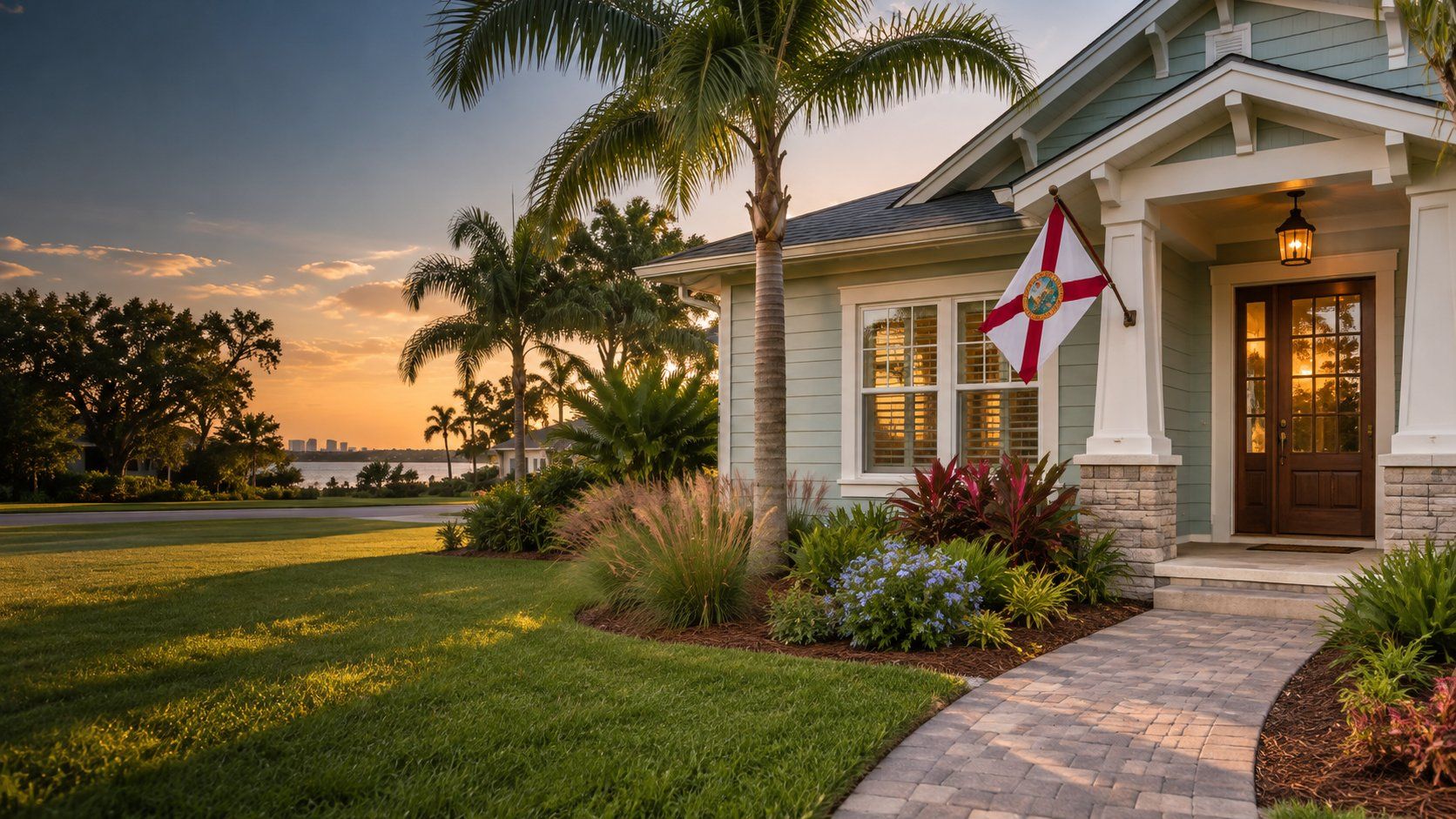
Before the vote, I broke down HJR 1F line by line and then counted down the final 14 days. The ballots have now been counted. Bay News 9 reports that Amendment 3 cleared the 60 percent threshold with about 62 percent of the vote. The law is set. What matters now is what you do with the next 50 days.
What Does Amendment 3 Actually Do?
Amendment 3 raises the homestead exemption on non-school property taxes from roughly $50,000 today to $150,000 in 2027 and $250,000 in 2028. After that it adjusts for inflation each year. That comes from the enrolled text of CS/HJR 1F on the Florida Senate website, and the change takes effect January 1, 2027.
It also cuts the annual cap on assessment increases for non-homestead property from 10 percent to 5 percent for non-school taxes, according to Kaufman Rossin's post-election analysis. Save Our Homes and portability stay in place, per the Tax Foundation.
For a home that receives the full exemption, one Tampa Bay property appraiser estimates savings of about $2,423 a year starting in 2028. Kaufman Rossin cites that Pinellas estimate. That is a car payment, every year, for as long as you own your homestead.
Why Does December 31, 2026 Matter So Much?

Read the fine print and you will find a second tier. Under the amendment, a buyer who "had not maintained a permanent residence in this state as of December 31, 2026" gets only $50,000 off non-school taxes. That lasts for the first four years of the exemption. The full amount begins in the fifth year. (HJR 1F enrolled text)
Read that again. The test is residency, not ownership.
If You Are Moving to Florida From Another State

If Florida is not your permanent residence on December 31, 2026, you fall into the four year waiting period. The Florida Chamber's Amendment 3 guide puts the full exemption for new residents after January 1, 2032.
The paper trail the property appraiser looks for is laid out on the Pasco County Property Appraiser homestead page. It includes a Florida driver license, Florida vehicle registration, Florida voter registration, and a permanent home here. If Florida is truly becoming home, establish it before the year ends, not after.
One honest caution: the Legislature still has to write the procedures for the new resident rules. Kaufman Rossin notes the 2027 session runs March 2 through April 30, and your county property appraiser makes the final call on residency.
If You Already Live in Florida and Rent
Good news first. If you are a Florida resident on December 31, 2026, you qualify for the full exemption whenever you buy, even years from now.
The cost of waiting is time. Homestead requires that you own and live in the home on January 1 of the tax year. Close by December 31, 2026, file by March 1, and your first exempt year is 2027 at $150,000. Close in 2027, and your first exempt year is 2028. Buying now captures a full year of relief that waiting gives away. If you are weighing that move, my first time buyer guide for New Port Richey and Tampa Bay walks through every step, and you can search every available home here.
Does Amendment 3 Lower School Taxes?
No. The school tax portion of the homestead exemption stays at $25,000, and non-homestead property still pays school taxes on full value, per Kaufman Rossin. The new relief applies to county, city, and special district levies.
What About Investors, Second Homes, and Rentals?
Rentals, second homes, and commercial property get no new exemption. They do get the tighter 5 percent cap on assessment increases for non-school taxes, which slows how fast their taxable value can climb between sales. The value still resets to market value when the property sells.
When Will Homeowners See It on Their Tax Bill?
The change first shows up on the August 2027 TRIM notices and the November 2027 tax bills. Bay News 9 reports that local governments expect the much larger revenue drop in 2028, when the $250,000 tier arrives.
The Honest Other Side: What Happens to Police, Fire, and Roads?
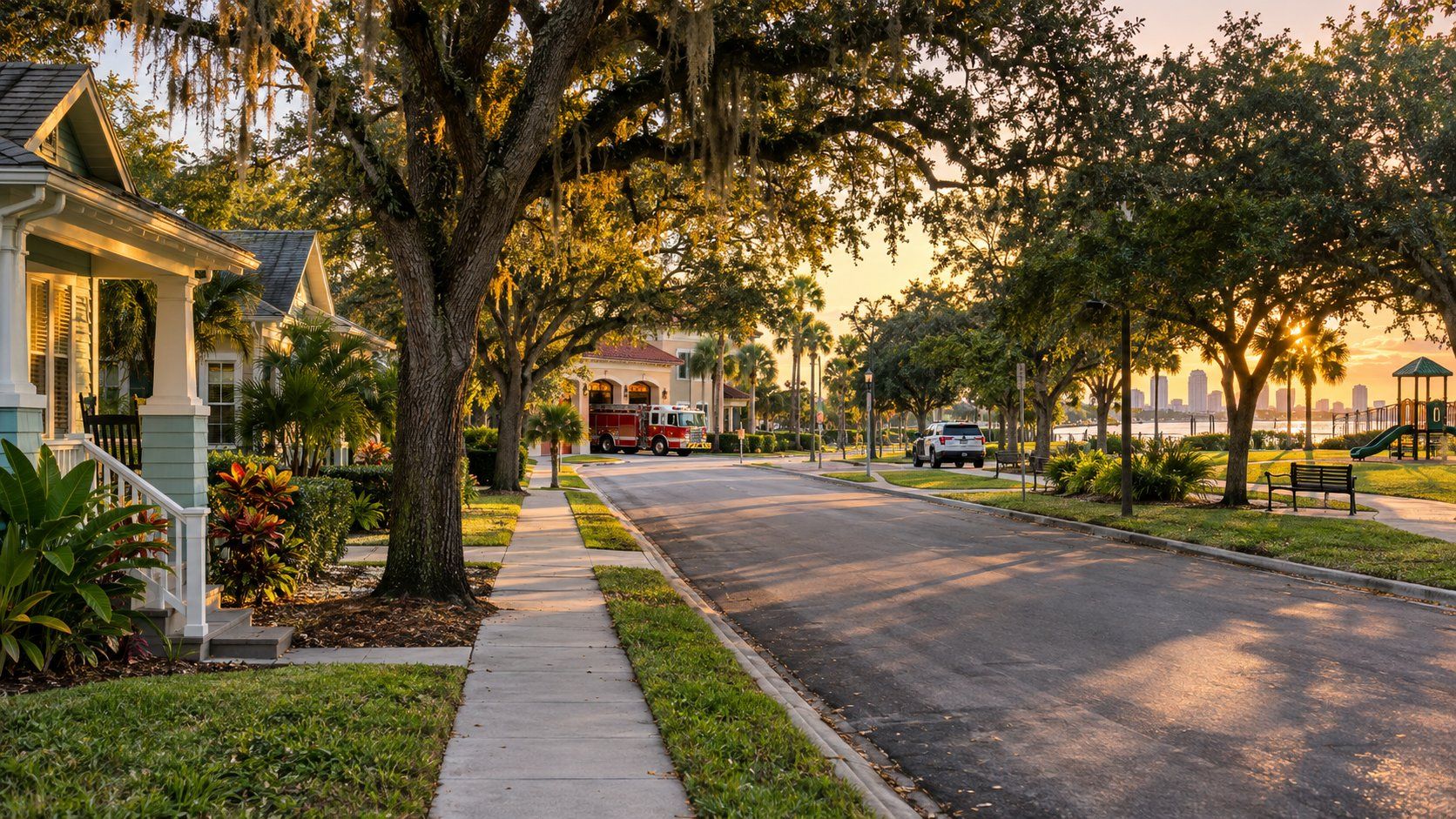
Every dollar a homeowner saves is a dollar a local government no longer collects. Kaufman Rossin, citing the state's Revenue Estimating Conference, puts the loss in local non-school revenue at about $4.95 billion in fiscal year 2027-28. That rises to about $11.86 billion a year once the change is fully phased in.
Pasco County's own Amendment 3 page says plainly that the amendment "does not guarantee funding for any specific services, including law enforcement, fire protection, EMS or other government programs." It names public safety, roads, parks, libraries, and courts as the part of the budget most exposed.
Law enforcement leaders were blunt before the vote. Pinellas Sheriff Bob Gualtieri said, "There's no plan." The Florida Fire Chiefs Association warned of "substantial uncertainty regarding the future funding of fire protection." Both statements were reported by News Service of Florida. WUSF and Suncoast Searchlight tracked projected sheriff budget cuts across the Gulf Coast. The Tampa Bay Times covered the funding fight from both sides.
Savings on your tax bill are real. So is the pressure on the services that keep your neighborhood safe. Watch your county's 2027 and 2028 budget hearings. That is where this story gets finished.
The Bottom Line
Amendment 3 is law. Homesteaded Floridians get $150,000 off non-school taxes in 2027 and $250,000 in 2028. People who are not Florida residents by December 31, 2026 wait four years at $50,000. Florida renters keep the full benefit, but buying before year end starts the savings a full year sooner.
Frequently Asked Questions
When does Florida's Amendment 3 take effect?
Amendment 3 takes effect January 1, 2027. The homestead exemption on non-school property taxes rises to $150,000 for 2027 and $250,000 for 2028, then adjusts for inflation. Homeowners first see the change on August 2027 TRIM notices and November 2027 tax bills.
What happens if I move to Florida after December 31, 2026?
A homeowner who had not maintained a permanent Florida residence as of December 31, 2026 receives a $50,000 non-school exemption for the first four years. The full exemption begins in the fifth year. Starting in 2030, a county or city may shorten that wait by a two-thirds vote.
I rent in Florida. Do I lose the full exemption if I buy in 2027?
No. The deadline is about residency, not ownership, so a Florida resident on December 31, 2026 qualifies for the full exemption whenever they buy. Buying and moving in by December 31, 2026 means your first exempt year is 2027, one year sooner than buying in 2027.
How do I file for homestead in Pasco, Hillsborough, or Broward County?
File with your county property appraiser by March 1 of the tax year, for a home you own and live in as your permanent residence on January 1. Pasco owners can apply through the Pasco County Property Appraiser, Hillsborough owners through HCPA's homestead e-file, and Broward owners through the Broward County Property Appraiser.
Does Amendment 3 apply to rental or investment property?
Rental, second home, and commercial property receive no new exemption. They do benefit from a lower 5 percent annual cap on assessment increases for non-school taxes, starting January 1, 2027. The value resets to market value when the property sells.
Will Amendment 3 cut police and fire funding?
The amendment does not guarantee funding for law enforcement, fire, or EMS, according to Pasco County. Statewide, local governments are projected to lose billions in non-school property tax revenue each year once the change is fully in place. How each county absorbs that will be decided in its 2027 and 2028 budgets.
Gena is a Florida real estate agent specializing in residential sales and investment properties in New Port Richey, Tampa Bay, and Fort Lauderdale. Born and raised in Florida with over 10 years of real estate experience, Gena is known for straight talk, sharp negotiation, and treating every client like family.
If you are moving to Florida, renting and ready to own, or wondering what Amendment 3 means for the home you already have, that conversation costs you nothing and could save you plenty. Reach me at genamrealtor@gmail.com, book a free consult, see what your home is worth today, or visit genatampabayrealtor.com.
Your home. My hustle. Family level service, every single time.
This article is for informational purposes only and reflects information available as of November 11, 2026. Results reported here are unofficial pending certification, and implementing legislation has not yet been written. It is not legal, tax, or financial advice. Consult your county property appraiser or a qualified professional about your situation.
Sources
- Florida voters approve Amendment 3, Bay News 9
- CS/HJR 1F enrolled text, The Florida Senate
- Florida voters approved Amendment 3: What happens next, Kaufman Rossin
- Florida Amendment 3, Tax Foundation
- Florida's 2026 Property Tax Amendment 3, Florida Chamber of Commerce
- Proposed Property Tax Amendment 3, Pasco County
- Sheriffs, police, firefighters sound alarm, News Service of Florida via ClickOrlando
- Amendment 3 and law enforcement budgets, WUSF
- Realtors, Amendment 3 and local government funding, Tampa Bay Times
Recent Posts




GET MORE INFORMATION